If you’ve spent hours browsing online, comparing the Annapurna Base Camp trek and the Everest Base Camp trek, you’re not alone. It’s easy to get confused about which one to choose, both look incredible and both feel like the perfect option.
If you’re trying to make a decision, just read my full blog. I’ve done both treks, and my experience might help you understand which one is actually the better choice for you.
Nepal is home to some of the most incredible Himalayas in the world. Just think about the fact that eight of the world’s ten highest peaks are located in Nepal. Most people recognise Nepal as the home of
Mt. Everest – the highest mountain in the world. However, Everest is merely one of the 866 designated mountains in the country. Without a doubt, the most well-known treks in Nepal are the Annapurna Base Camp and Everest Base Camp treks.
Though Annapurna Base Camp and Everest Base Camp each have their own identity and strengths, in this article I will look at the similarities and differences between the two, covering trek duration, difficulty level, highlights, preparation, food, culture, and more.
Table of Contents
Everest Base Camp Trek (EBC)
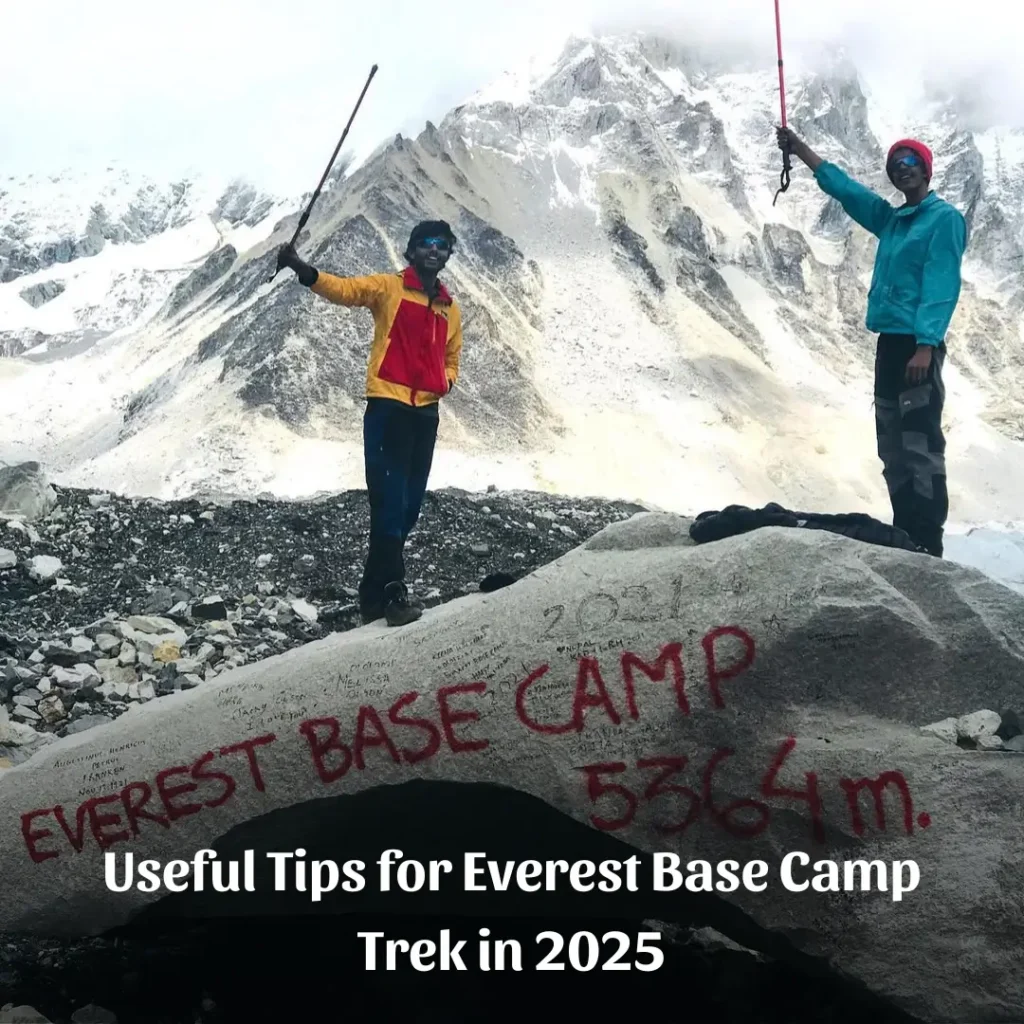
The EBC trek is an outstanding Himalayan adventure that leads trekkers to the base camp of Mount Everest (8,848 meters), the world’s highest and most iconic peak.
Located in the Solu-Khumbu region of Nepal, the Everest Base Camp Trek is renowned for its spectacular views of Everest and its neighboring peaks, including Lhotse, Nuptse, and Makalu.
Annapurna Base Camp Trek (ABC)
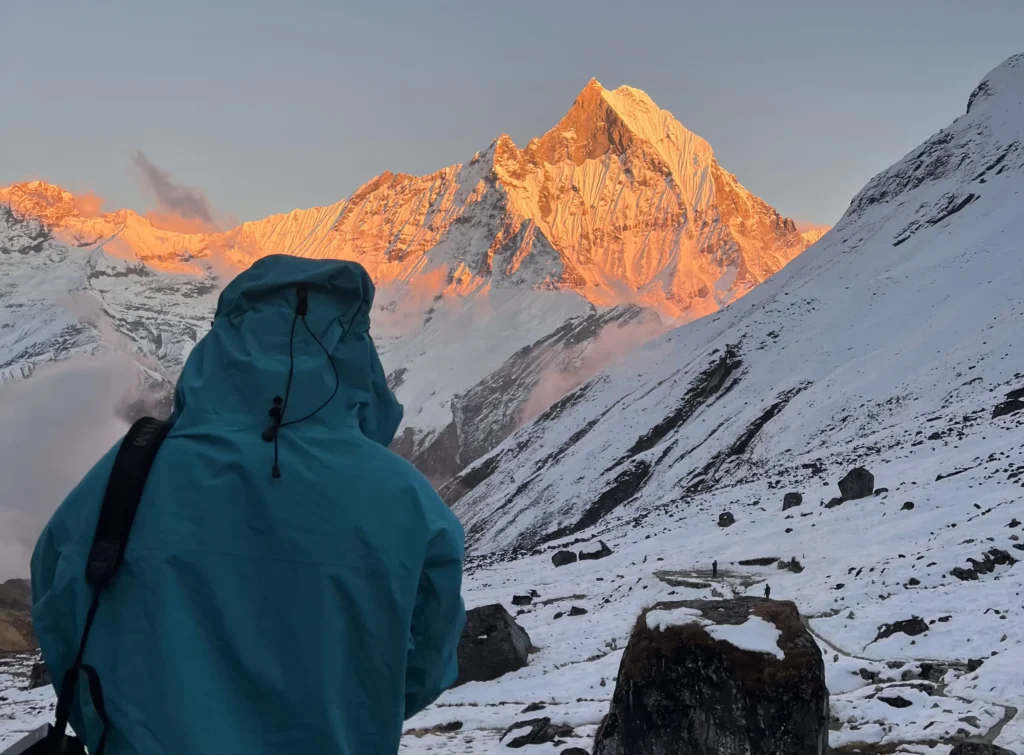
The Annapurna Base Camp Trek is an excellent Himalayan adventure located in the Annapurna area of Nepal. ABC trek has a unique and special way of standing out from other treks in Nepal.
This trek makes arrangements for a journey to the base camp of Annapurna, dominated by Annapurna I (8,091 meters), the 10th highest peak in the world. The ABC trek offers a diverse mix of landscapes, from jungle-like subtropical forests to alpine pastures and high-altitude terrain, showcasing breathtaking mountain scenery.
Route Overview and Duration
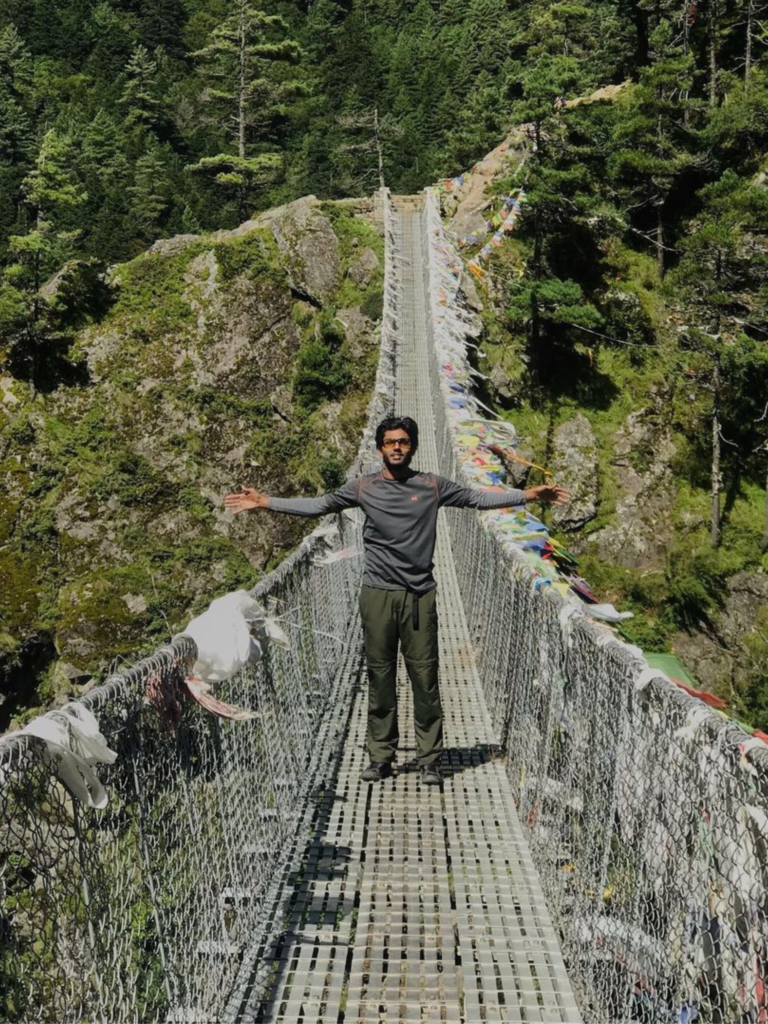
The classic Everest Base Camp Trek typically takes 14–16 days, depending on the itinerary and pace of the trekker. The trek begins in Lukla, reached by a scenic flight from Kathmandu. Alternatively, you can take a shared taxi to Thamdanda, but traveling via Kathmandu and then flying to Lukla is recommended. From Lukla, trekkers pass through a series of Sherpa villages, including Namche Bazaar, Tengboche, Dingboche, and Lobuche, before reaching the base camp. The return journey follows the same route.
Key Highlights of EBC Trek:
- Lukla to Namche Bazaar: A short but steep ascent through dense forests and traditional Sherpa villages.
- Namche Bazaar to Tengboche: Famous for its picturesque beauty and the iconic Tengboche Monastery.
- Tengboche to Dingboche: A gradual climb offering panoramic views of the Everest massif.
- Dingboche to Lobuche: Passes through high-altitude terrain with stunning views of the surrounding peaks.
- Lobuche to Everest Base Camp: The final stretch to the world-famous base camp, offering awe-inspiring views of Mount Everest.
The Annapurna Base Camp Trek typically takes 7–9 days, depending on the chosen itinerary. The trek begins from Gandruk or Jhinu Danda, passing through numerous ethnic villages and diverse landscapes. Key stops along the way include Chomrong, Sinuwa, Bamboo, Dovan, Himalaya, Derauli, and MBC before reaching the base camp. The return journey usually follows the same route or takes an alternative path for a shorter descent.
Key Highlights ABC Trek:
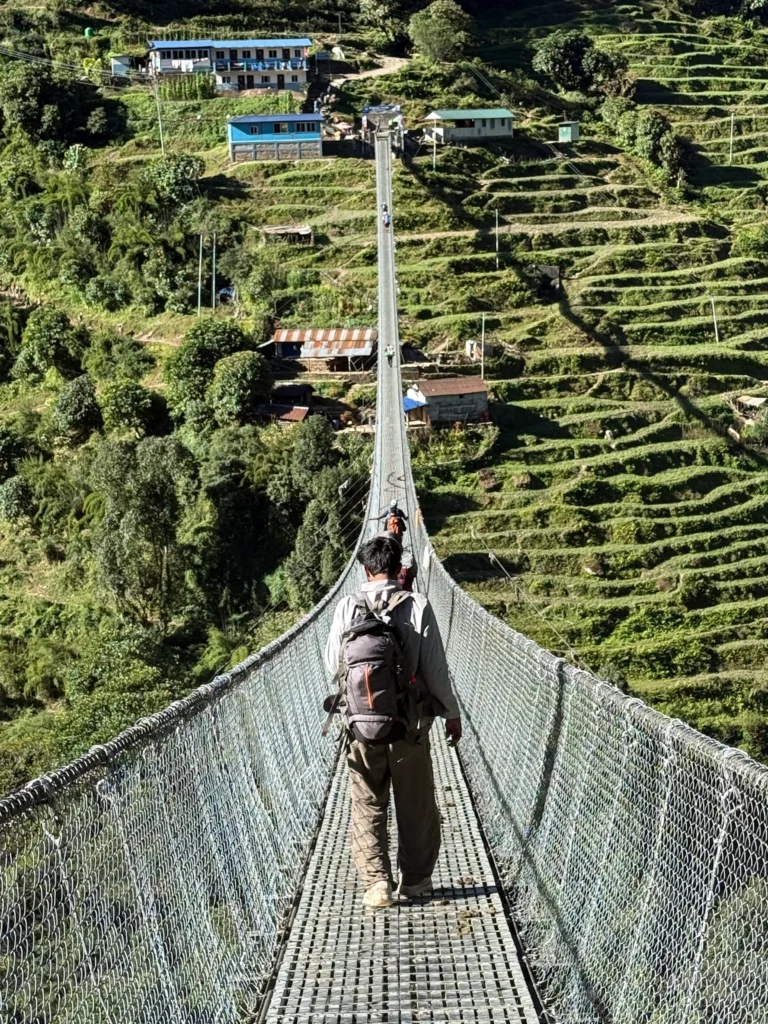
- Ghandruk/Jhinu Danda to Chhomrong: A steady climb through stone steps and terraced fields leading to the beautiful village of Chhomrong
- Chhomrong to Bamboo: A steep descent to the river followed by a long uphill walk through dense forest to reach Bamboo.
- Bamboo to Deurali: A gentle forest trail with small ascents, waterfalls, and cooler temperatures as you approach Deurali
- Deurali to Annapurna Base Camp: A gradual alpine climb with open valley views, ending with stunning panoramas at Annapurna Base Camp.
Reasons to Choose Everest Base Camp Trek
As Nepal’s leading trekking destination, the Everest Base Camp Trek offers a wide range of experiences. The main attraction is, of course, Mount Everest (8,848 m). Likewise, the diverse settlements of the Sherpa community, rich in Buddhist and Tibetan culture, make the journey truly unique. In addition, the remote and adventurous trail is ideal for trekkers looking to challenge themselves and test their limits.

Altitude of Everest base camp trek
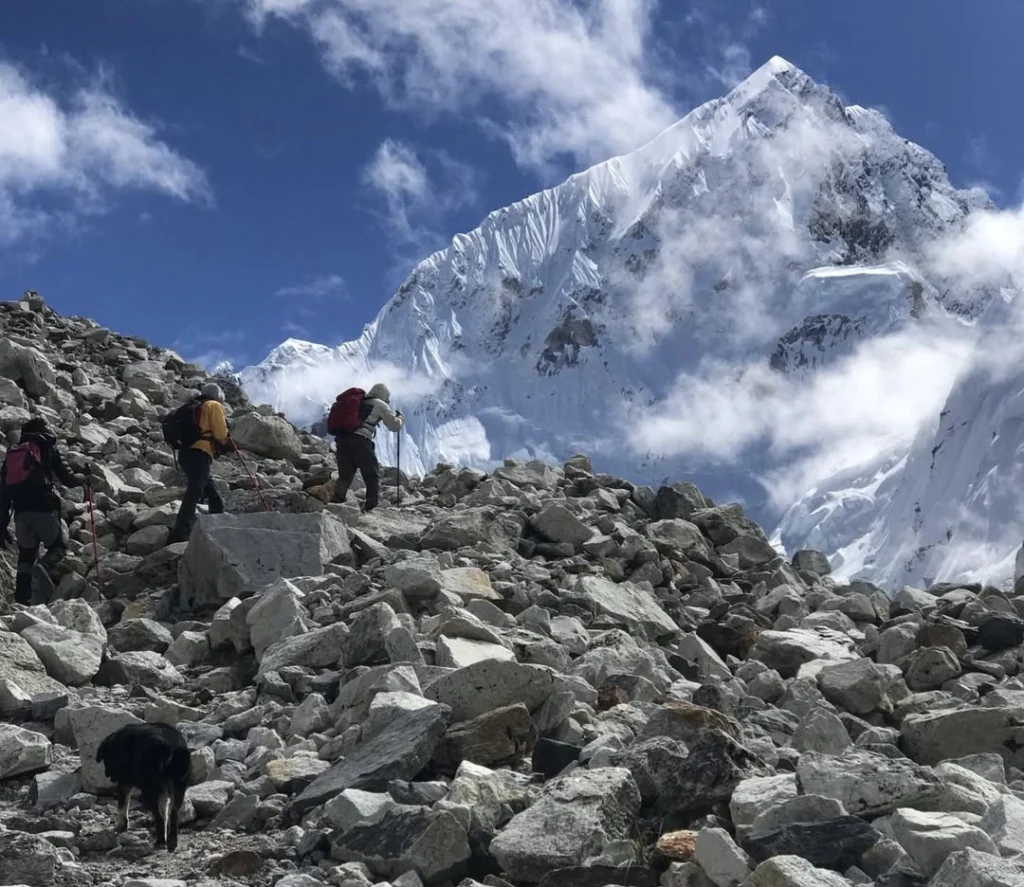
One of the major challenges of the EBC trek is its high altitude. The trek reaches an elevation of 5,364 meters (17,598 feet) at Everest Base Camp. Acclimatization is extremely important to prevent altitude sickness, and the itinerary usually includes several acclimatization days, such as a rest day at Namche Bazaar with a side hike to the Everest View Hotel, and another acclimatization day at Dingboche.
⦁ Lukla : 2,860 meters
⦁ Namche Bazaar : 3,440 meters
⦁ Dingboche: 4,410 meters
⦁ Everest Base Camp : 5,364 meters
Difficulty Level of EBC Trek:
The difficulty level of the Everest Base Camp Trek is considered ‘challenging.’ This means you must be physically and mentally prepared to complete the trek comfortably. The steep and rugged landscapes can be physically exhausting, and the daily trekking duration of 6 to 7 hours adds to the challenge. Additionally, the high altitude above 5,000 meters may not be suitable for all trekkers.
To stay safe and avoid altitude sickness, it is recommended to prepare well, focus on fitness, breathing endurance, and proper packing for high-altitude conditions.
Cost of EBC Trek:
The Everest Base Camp trek is one of the more expensive treks in Nepal. Even if you travel independently, the cost depends on how you choose to travel. From my own experience, an independent EBC trek usually comes to around ₹30,000–₹40,000.
If you take a package, the cost will naturally be higher depending on the services, comfort level, and inclusions.
Weather Condition:
One of the key reasons we recommend you pack well is due to the weather conditions of the Everest Region. The weather and climate of the Everest region are unpredictable, which means they change quickly, so sudden rainfall and a gloomy environment are common here. However, you can easily tackle this with proper packing lists and gears.
Reasons to Choose Annapurna Base Camp Trek
Many trekkers choose the Annapurna Base Camp Trek because it offers a perfect blend of adventure, culture, and natural beauty. In recent years, it has become especially popular thanks to its diverse landscapes, incredible viewpoints, and breathtaking snow-capped mountains.
Your journey feels meaningful and memorable as you experience different ways of life, from the vibrant city of Pokhara to the peaceful remoteness of Doban and Bamboo. And with iconic spots like Poon Hill and Machhapuchhre Base Camp along the way, the trek becomes an unforgettable experience.
Altitude of Annapurna base camp trek
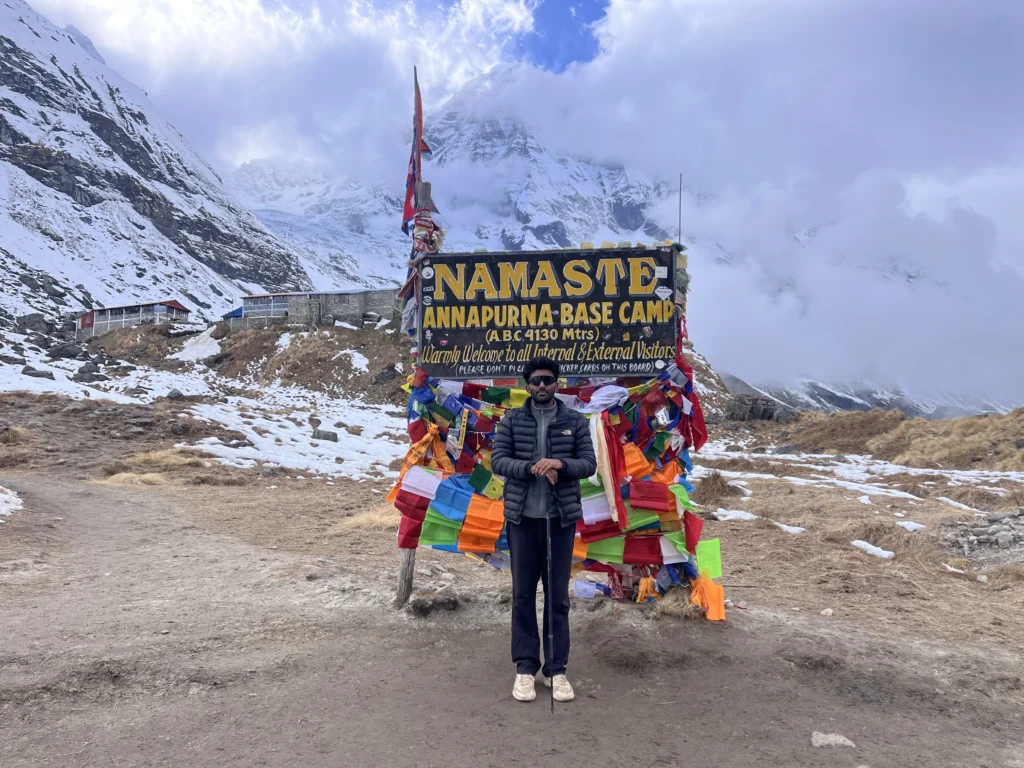
Annapurna Base Camp sits at 4,130 meters above sea level. While it isn’t as high as Everest Base Camp, trekkers should still be cautious about altitude sickness and related concerns. From the base camp, you can enjoy stunning views of the Annapurna range, including peaks like Hiunchuli, Annapurna South, Annapurna I, Khangsar, Gangapurna, Annapurna III, and Machhapuchhre.
- Gandruk : 1,940 meters
- Chhomrong : 2,170 meters
- Baamboo : 2,145 meters
- Deurali : 3200 meters
- ABC : 4,130 meters
Difficulty Level of ABC Trek:
When compared to Annapurna Base Camp, this is a moderate trek. It does require a decent level of physical fitness, but beginners can still complete it with proper preparation. Just make sure to pack wisely, get your gear ready, and work on your physical and mental fitness before starting the journey.
Cost of ABC Trek:
The cost of the Annapurna Base Camp trek is generally moderate. If you travel independently, it can be very affordable, the total expense usually comes to around ₹15,000–₹20,000 based on my own experience. The cost mainly depends on your travel style.
If you choose a package, the price will naturally be higher, depending on the services, comfort level, and inclusions provided.
Conclusion
Both the Everest Base Camp Trek and the Annapurna Base Camp Trek offer breathtaking Himalayan experiences, but they differ significantly in their own unique ways.
Renowned for its stunning high-altitude landscapes and the chance to reach the foot of the world’s highest peak, the Everest Base Camp trek attracts adventurers seeking iconic views and a truly challenging experience.In contrast, the Annapurna trek offers a more diverse and culturally enriching experience, with landscapes ranging from terraced fields to alpine forests, all set against the stunning Annapurna massif. While Everest provides a grand, high-altitude adventure focused on mountaineering prestige, Annapurna highlights a rich blend of culture, scenic variety, and a relatively easier trek. Your choice depends on whether you prioritize a challenging high-altitude journey or a varied, culturally enriched experience.


Such a beautiful a detailed post. Really helpful🤍